
Alleviate Adult Acne

[
{
"type": "text",
"label": "What is adult acne?",
"label_font": "b",
"label_size": "h2",
"content": "It’s a myth that only teenagers get spots. 90% of teens experience acne (the medical term for spots), and half are affected as adults. The symptoms of this condition in adults are similar to those in teenagers and include blackheads and whiteheads, inflamed spots, pustules, and cysts. In adult acne, the lower part of the face is typically more affected, with spots commonly appearing around the jaw, neck, and chin. While adult acne is generally milder than teenage acne, it can still be distressing. Acne among adult women is on the rise, possibly due to stress or an increase in those seeking treatment."
},
{
"type": "text",
"label": "The causes of acne",
"label_font": "b",
"label_size": "h2",
"content": "The primary cause of acne is hormone activity. The sebaceous glands of sufferers are sensitive to blood levels of certain hormones, like testosterone, causing them to produce more oil. Additionally, dead skin cells lining the pores may not shed properly, clogging hair follicles. The bacteria P. acnes, present on everyone's skin, can multiply on oily skin, leading to inflammation and the formation of spots."
},
{
"type": "text",
"label": "Finding an acne treatment",
"label_font": "b",
"label_size": "h2",
"content": "The first step is to see your GP, who can diagnose and treat any underlying causes, such as polycystic ovary syndrome (PCOS), whose symptoms include acne. Your doctor can offer various treatments for acne, including topical antibiotics and retinoids, which can lower oil production and prevent hair follicles from becoming clogged."
},
{
"type": "text",
"label": "5 steps to a clear complexion",
"label_font": "b",
"label_size": "h3",
"content": "Here are some measures you can take to help reduce acne:"
},
{
"type": "text",
"label": "1. Clean up your diet",
"label_font": "b",
"label_size": "h4",
"content": "Research indicates that high-dairy, high-glycaemic index diets may be linked to acne. Try focusing on complex carbs like whole grains, fruits, and vegetables, and reduce your dairy intake by considering dairy-free alternatives."
},
{
"type": "text",
"label": "2. Try tea tree",
"label_font": "b",
"label_size": "h4",
"content": "Tea Tree Oil has natural antiseptic qualities and can help improve spots."
},
{
"type": "text",
"label": "3. Take skin-supporting supplements",
"label_font": "b",
"label_size": "h4",
"content": "One study showed that people with acne might have low levels of zinc. Boost your diet with zinc-rich foods like seafood, meat, and quinoa, or take a zinc supplement."
},
{
"type": "text",
"label": "4. Use gentle skin products",
"label_font": "b",
"label_size": "h4",
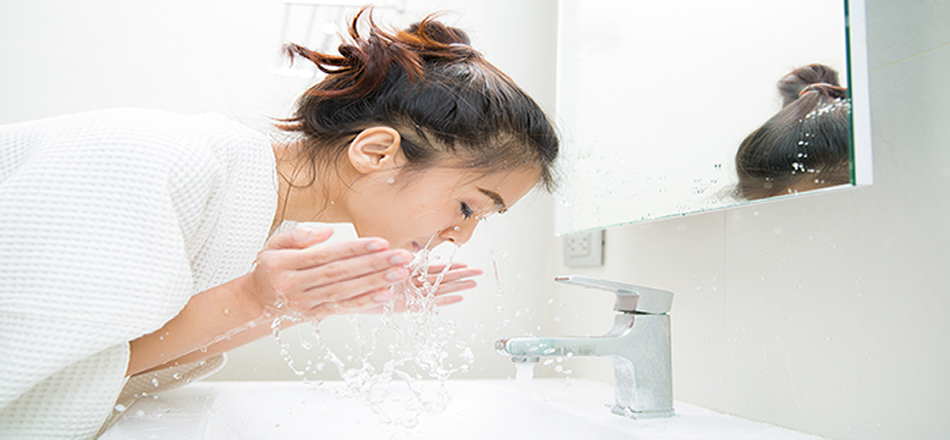
"content": "Over-cleansing is a common mistake that can worsen acne. Instead, wash your skin no more than twice a day with mild cleansing products. Use non-comedogenic makeup, which is less likely to block pores."
},
{
"type": "text",
"label": "5. Cut stress",
"label_font": "b",
"label_size": "h4",
"content": "Stress can exacerbate acne symptoms. Try relaxation techniques like yoga, or take time to unwind with a book. A brisk walk or a bath with essential oils can also be effective."
}
]
April 24, 2024
|
View: 52
|
Categories: <a class="mp-info" href="https://hnb.theretailinsightsdemos.com/blog/category/beauty.html">Beauty</a>
|
By: <a class="mp-info" href="https://hnb.theretailinsightsdemos.com/blog/author/https-apollohb-theretailinsightsdemos-com-hnb.html">Admin</a>
About the Author

Related Posts
Weight Loss Supplements: Do They Actually Work?
April 24, 2024| Posted in Weight Management| Admin| 53
Are you getting enough Vitamin D?
April 24, 2024| Posted in Vitamins & Supplements| Admin| 67

Are you getting enough Vitamin D?
April 24, 2024
The Power of Coconut: Beauty Tricks
April 23, 2024

How to Keep Your Heart Happy
April 24, 2024
6 Ways to Beat Bloating
April 24, 2024
Ultimate guide for a happy & healthy gut
April 29, 2024
Ultimate guide for a happy & healthy gut
April 29, 2024

Folic acid benefits for skin
April 26, 2024

What is a muscle knot in your back?
April 26, 2024
Supplement Your Health & Wellbeing
April 24, 2024
How to Keep Your Heart Happy
April 24, 2024